29 January 2025
15x things to do in Languedoc-Roussillon
Languedoc-Roussillon is one of France's most diverse regions. This southern French region has a special mix of history, nature, culture and gastronomy, and is the ideal place for many holidaymakers to get away from it all. Wondering what there is to do in Languedoc-Roussillon? We take you through all the highlights of the region.
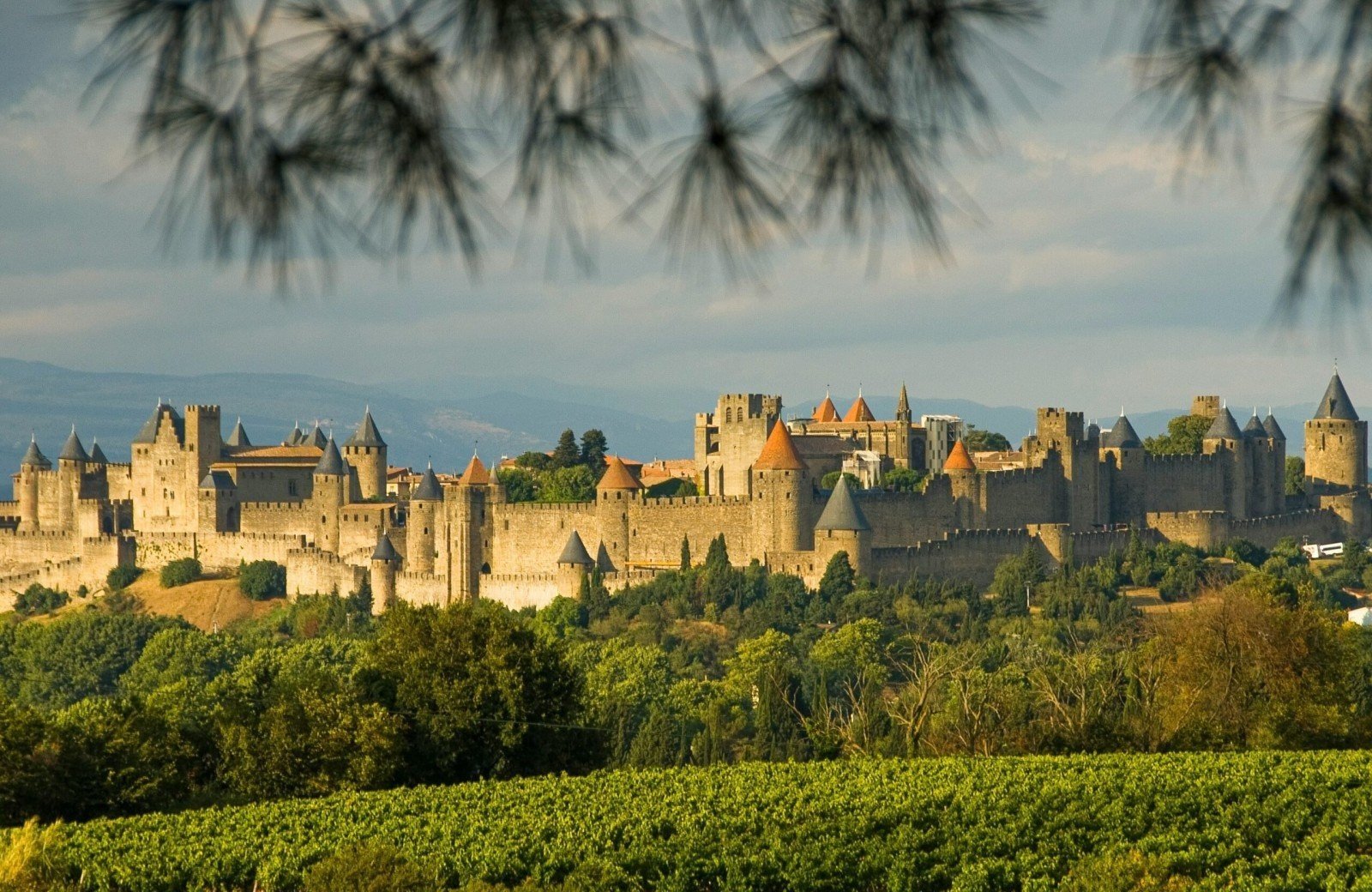
1. Medieval Carcassonne
Carcassonne is regarded by many as the most fairytale-like place in Languedoc. Known for its double city walls and castle towers that are still fully intact, the medieval city is a UNESCO World Heritage Site. Inside the walls you will find narrow streets, historic architecture and the imposing Château Comtal castle, built in the 12th century.
When in Carcassonne, you can wander the streets at a leisurely pace or enjoy local delicacies in the cosy restaurants.
2. Cruising on the Canal du Mid
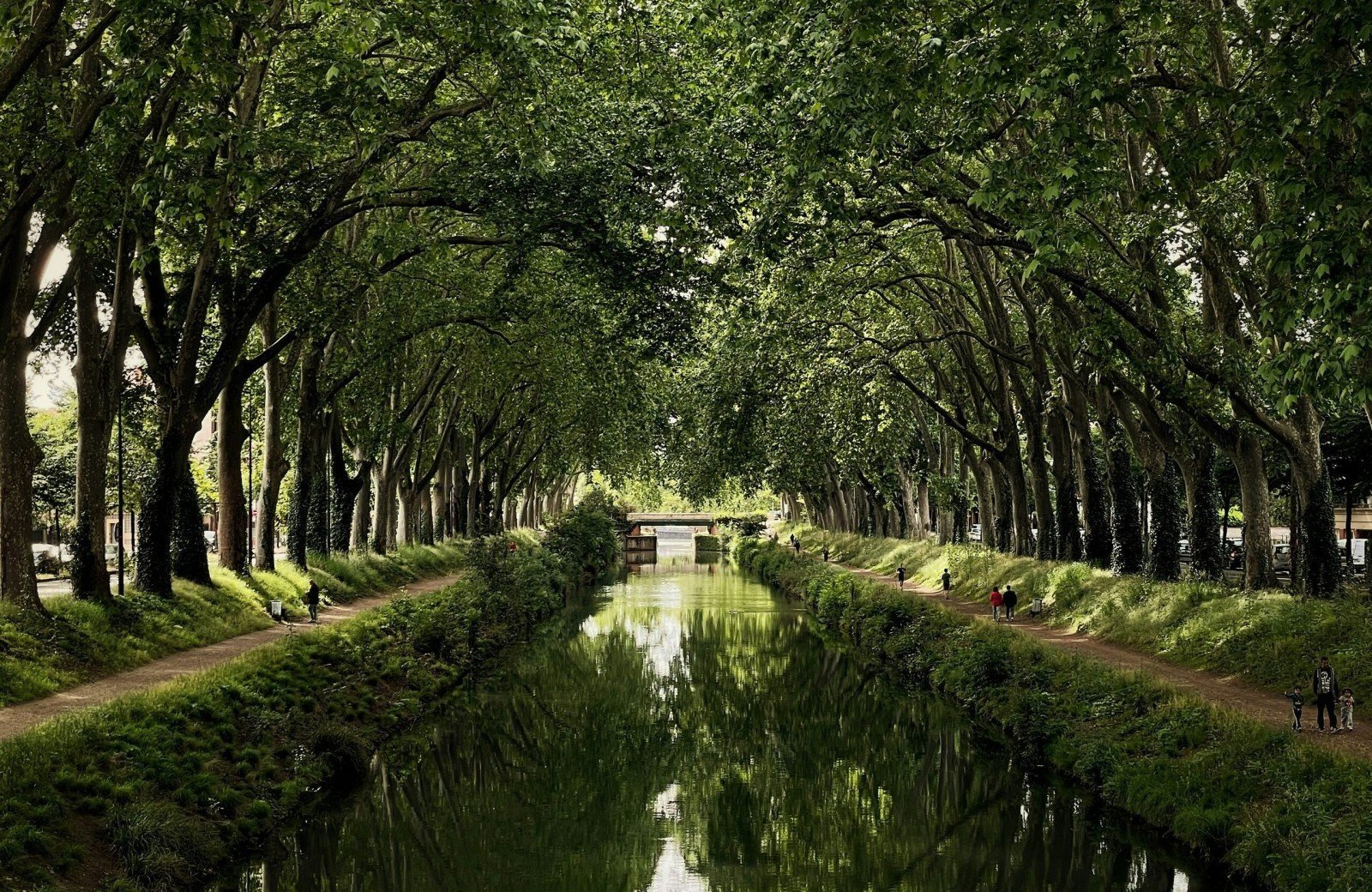
Also on the UNESCO World Heritage List, the kilometre-long canal ‘Canal du Midi’. The canal known for its stone bridges, plane trees along the banks and no fewer than 63 locks. Hop on a canal boat and cruise past vineyards and charming villages. Among others, the canal runs through the city of Toulouse and empties into the Mediterranean Sea.
Prefer to stay ashore? Along the quayside you can enjoy walking and cycling.
3. The impressive Pont du Gard
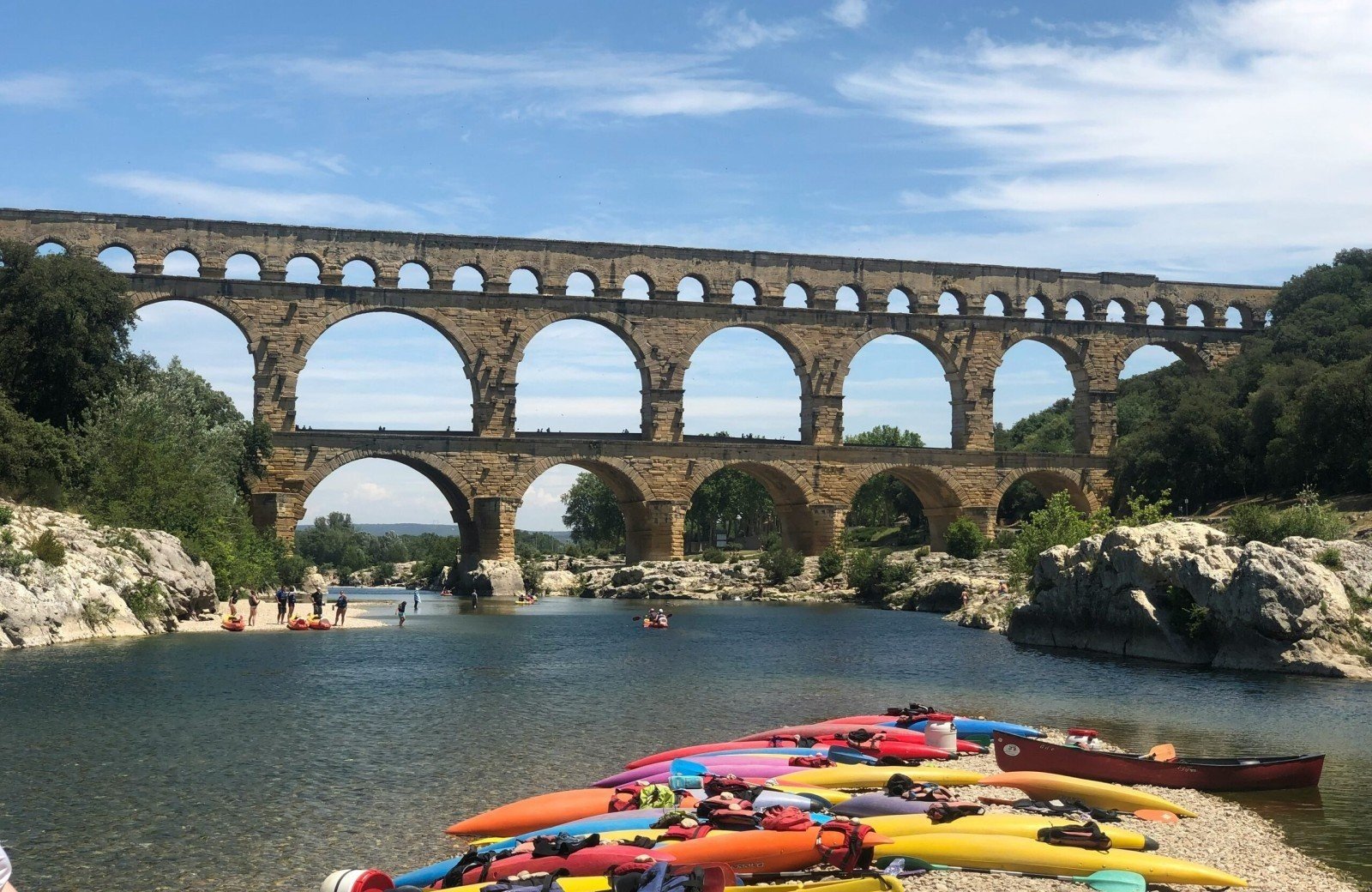
The Pont du Gard is an impressive viaduct located over the river Gardon. This masterpiece was built by the Romans in the 1st century AD, to transport water from Uzès to Nîmes. The viaduct is 48 metres high, has three floors and is a whopping 275 km long. It is the highest Roman viaduct ever built, also earning it a spot on the World Heritage List.
The various arches of the viaduct showcase true Roman architecture. The view from the bridge is breathtaking.
4. Roman influences in Nîmes
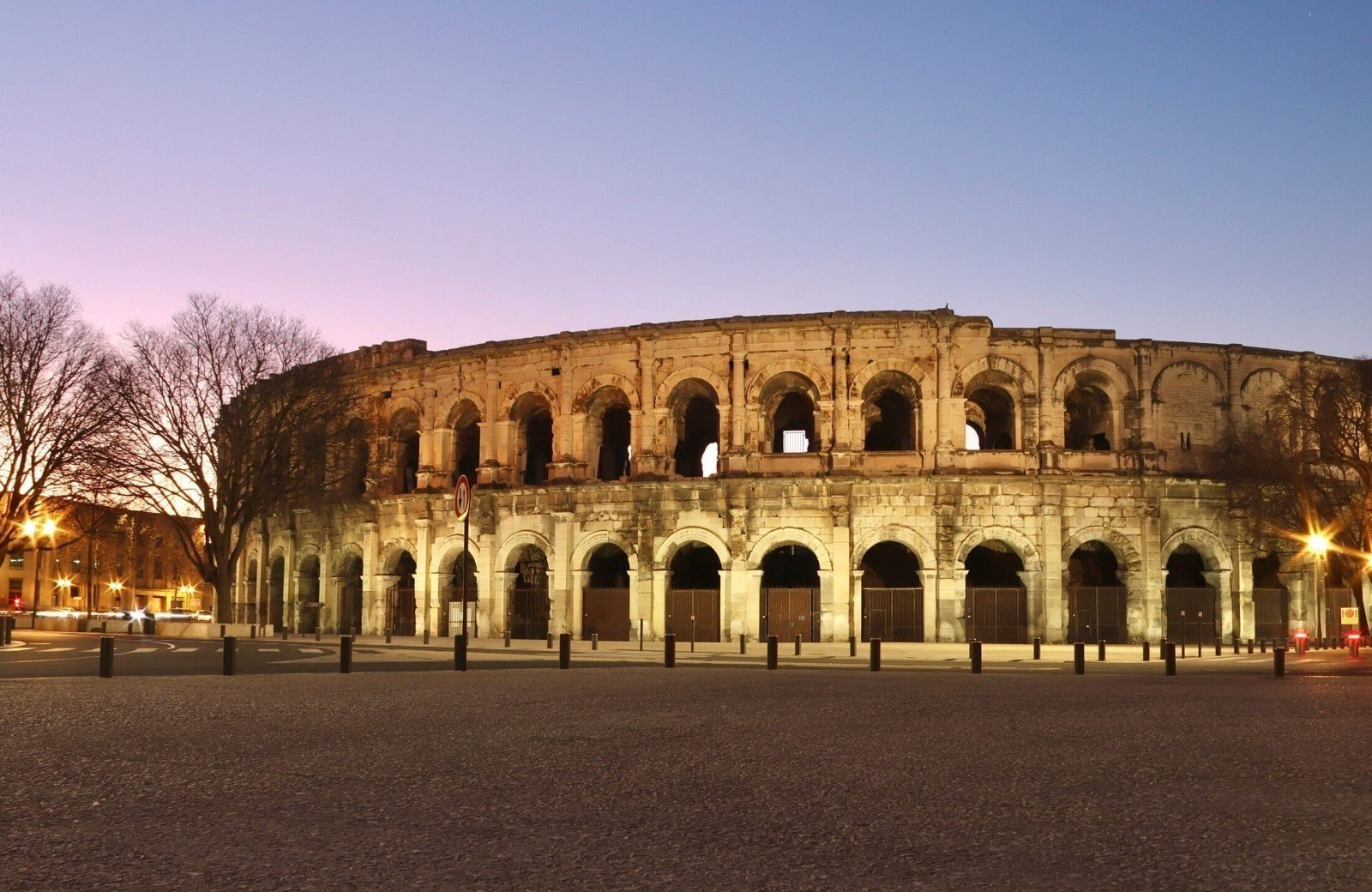
Nîmes, also called French Rome, is a city where lovers of history and culture can indulge. Nîmes was the most important city of Roman Gaul and you can still see many Roman remains. These include the Nîmes amphitheatre, which is considered the best preserved amphitheatre in the world. Today, the theatre is used for events and concerts.
The Roman temple Maison Carrée, with beautiful columns and motifs, and the 18th-century garden Jardins de la Fontaine are also well preserved.
Nîmes has a lively atmosphere with nice streets and terraces. It is therefore the perfect mix of the old and the modern.
5. The salt plains of Aigues-Mortes
Aigues-Mortes is a medieval coastal town known for its imposing city walls and waters. The city walls were commissioned by King Louis IX in the 13th century and are almost completely intact. Inside the walls, you'll find convivial squares and streets, as well as the Tour de Constance, a tower that once served as a prison.
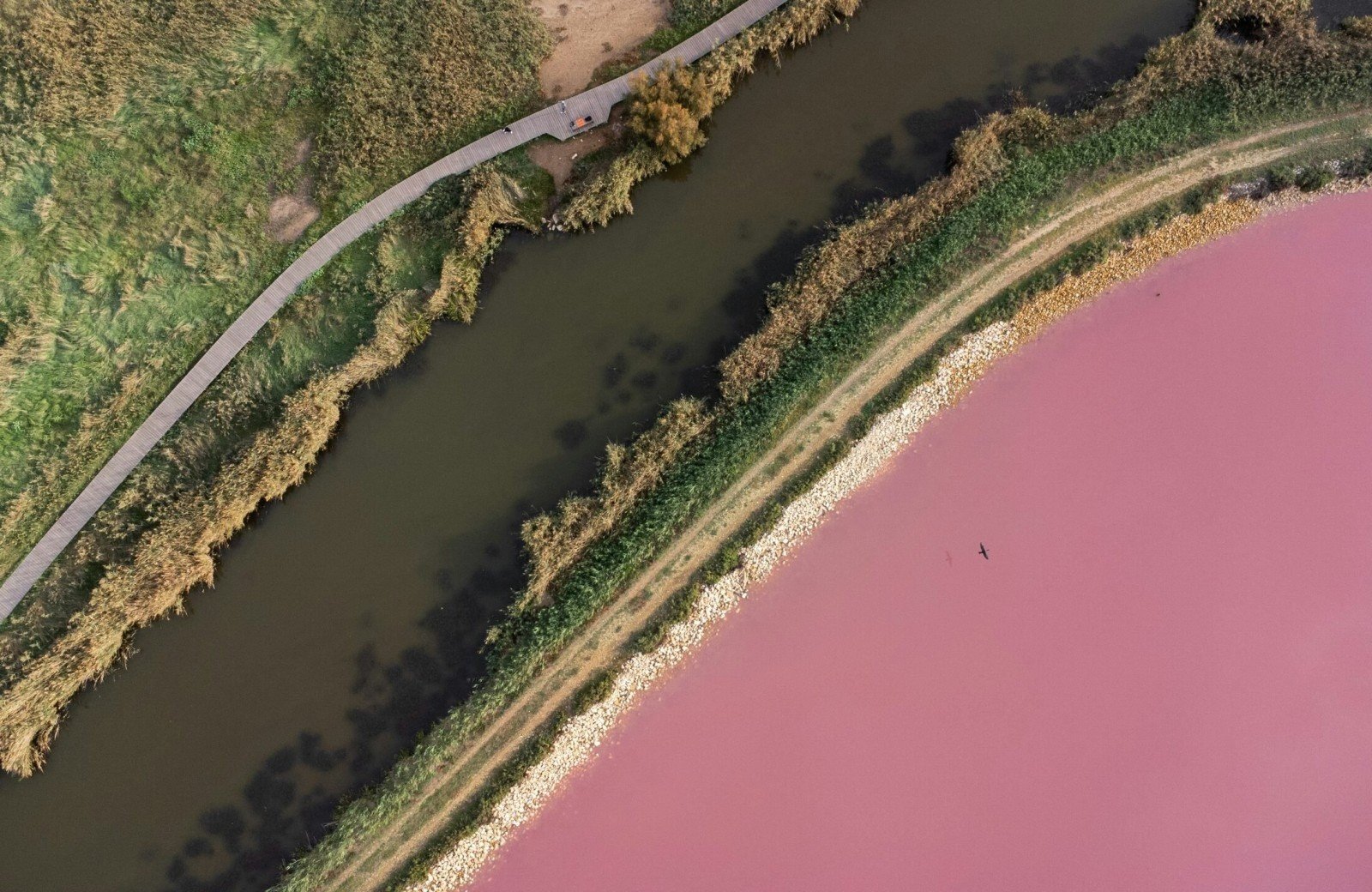
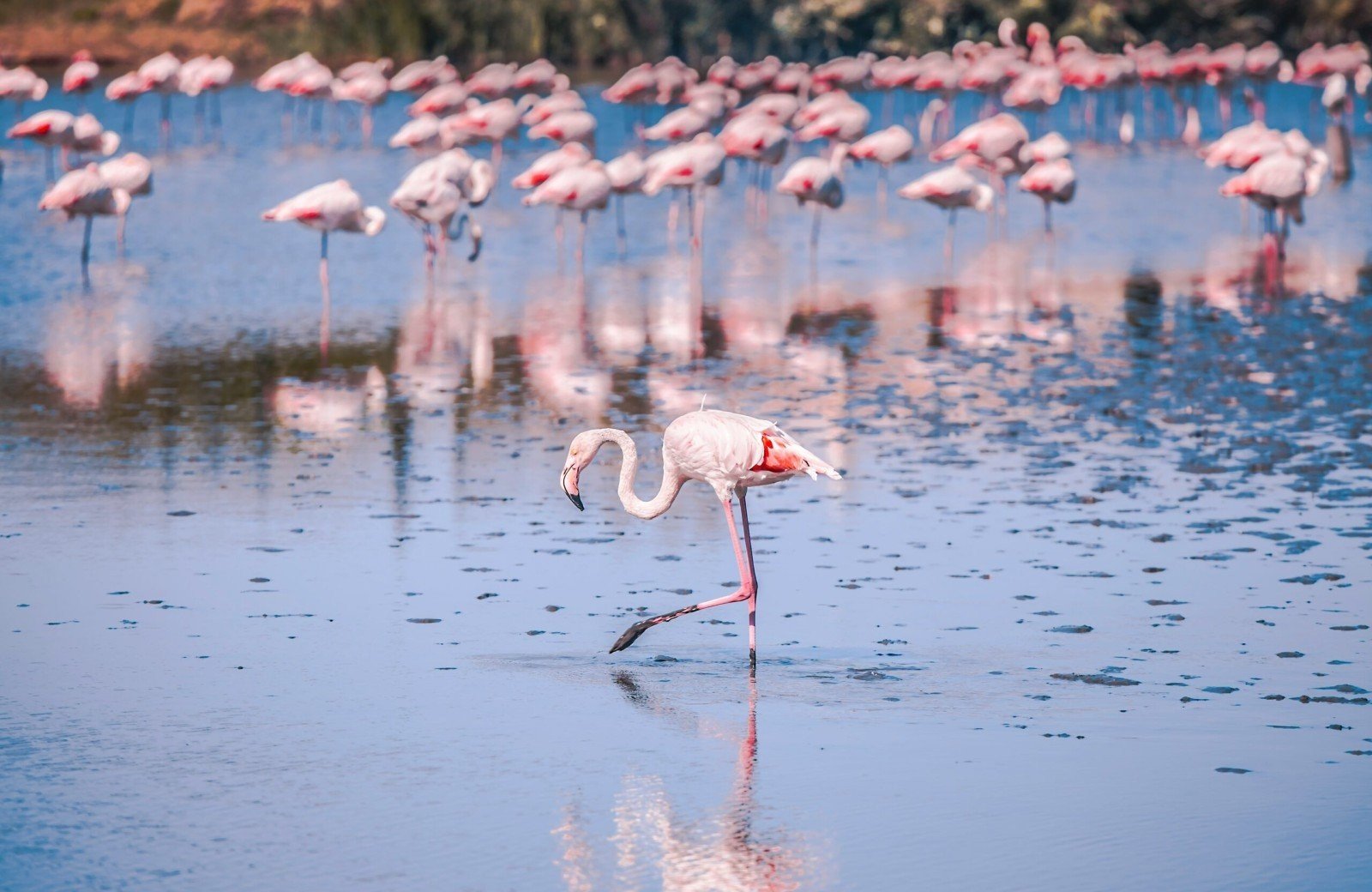
From the city walls, you have a great view of the pink salt flats next to the city. Here you can spot flamingos and other animals. Don't forget to taste the local speciality too: Fougasse, a salty focaccia.
6. Natural Camargue
A unique natural area in Languedoc-Roussillon is the Camargue marshland, one of the largest wetlands in Europe. The area is known for its beautiful lakes, dunes and lagoons. The marsh has a rich biodiversity, from wild white horses, black bulls to large flocks of flamingos.
The Camargue lends itself perfectly to horse riding and bird watching. Several cycling routes also run through the pristine landscape. Finally, the pink salt lakes of Salin-de-Giraud are definitely worth a visit, as are the vast salt flats and rice fields. You'll feast your eyes in natural Camargue.
7. Picturesque Collioure
On the coast and close to the Spanish border, you will find the picturesque town of Collioure. Surrounded by rolling hills and vineyards, the town is known for its colourful houses, friendly port and art history. At the beginning of the 20th century, famous artists such as Henri Matisse and André Derain settled in the town and were inspired by the vibrant colours and light that fell on it.
Walk the art trail or visit one of the other sights, such as the Église Notre-Dame-des-Anges with its famous bell tower, or the fortress Château Royal. Need to cool down? Then take a refreshing dip in the Mediterranean Sea.

8. Active around the Gorges du Tarn in Languedoc
The Gorges du Tarn is an impressive gorge formed by the river Tarn. Towering limestone cliffs, dense forests and small villages characterise the area. It is also a well-known spot for water activities. You can kayak and swim in the river and hike past several viewpoints, such as Point Sublime. The real daredevils can climb the steep cliffs.
End your active day in the villages of Sainte-Enimie or La Malène and recover from the adventure in the Gorges.

9. Deep into the Clamouse or Demoiselles caves
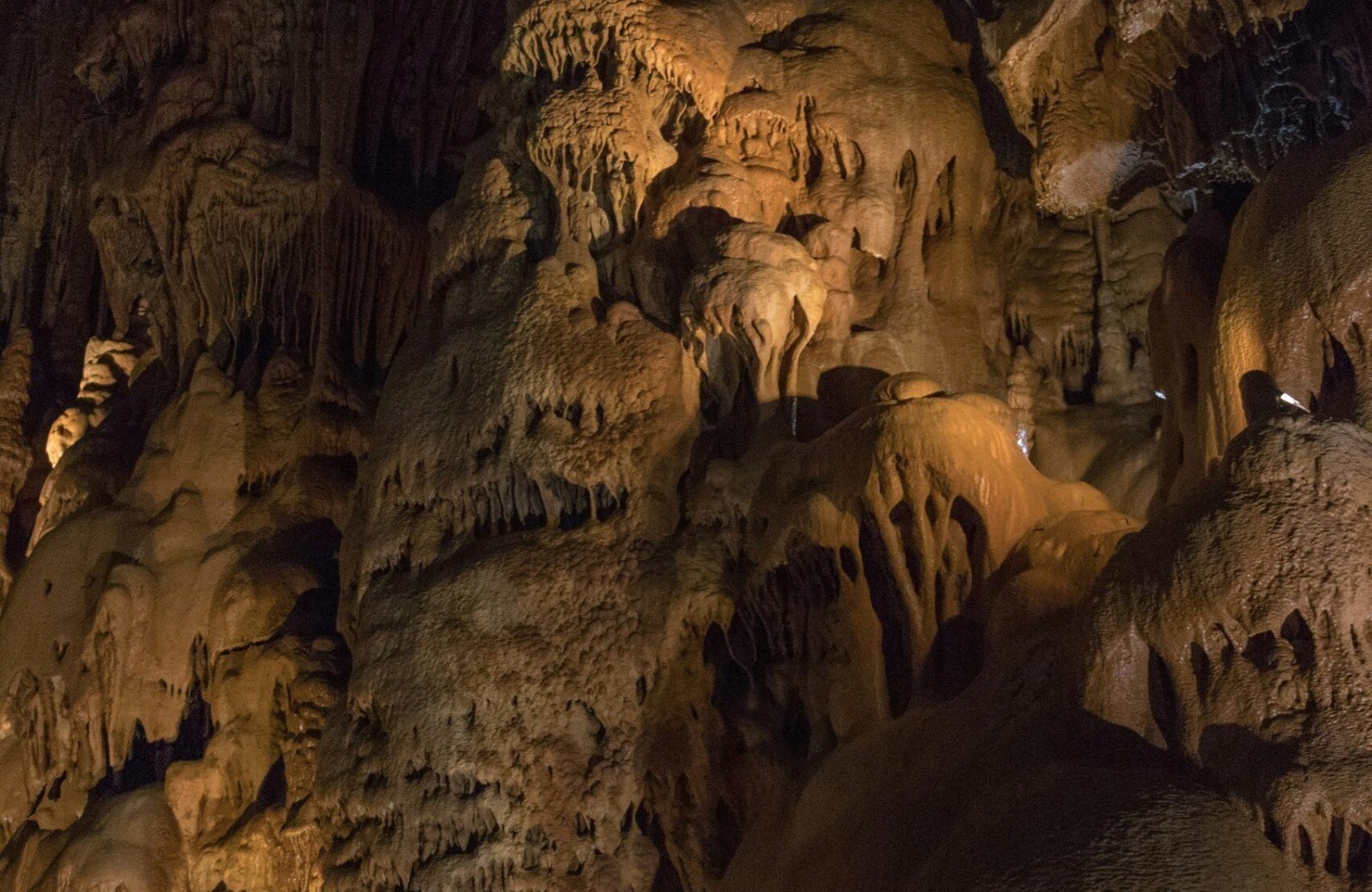
In the Clamouse or Demoiselles caves, you will explore extraordinary limestone formations, stalactites and stalagmites. There is speculation about the name of the cave. The story goes that a shepherd was looking for his lamb and saw it dancing in the cave and many women, after which he fainted. The legend is debatable, but the beauty of the cave absolutely not.
Using a cart, you descend into the cave. Once down, you continue on foot. The largest room of the cave is also called the cathedral and is over 120 metres long, 80 metres wide and 59 metres high. The unusual stalagmite formations are somewhat akin to female silhouettes, but here, too, the imagination runs wild.
10. Spanish influences in Perpignan
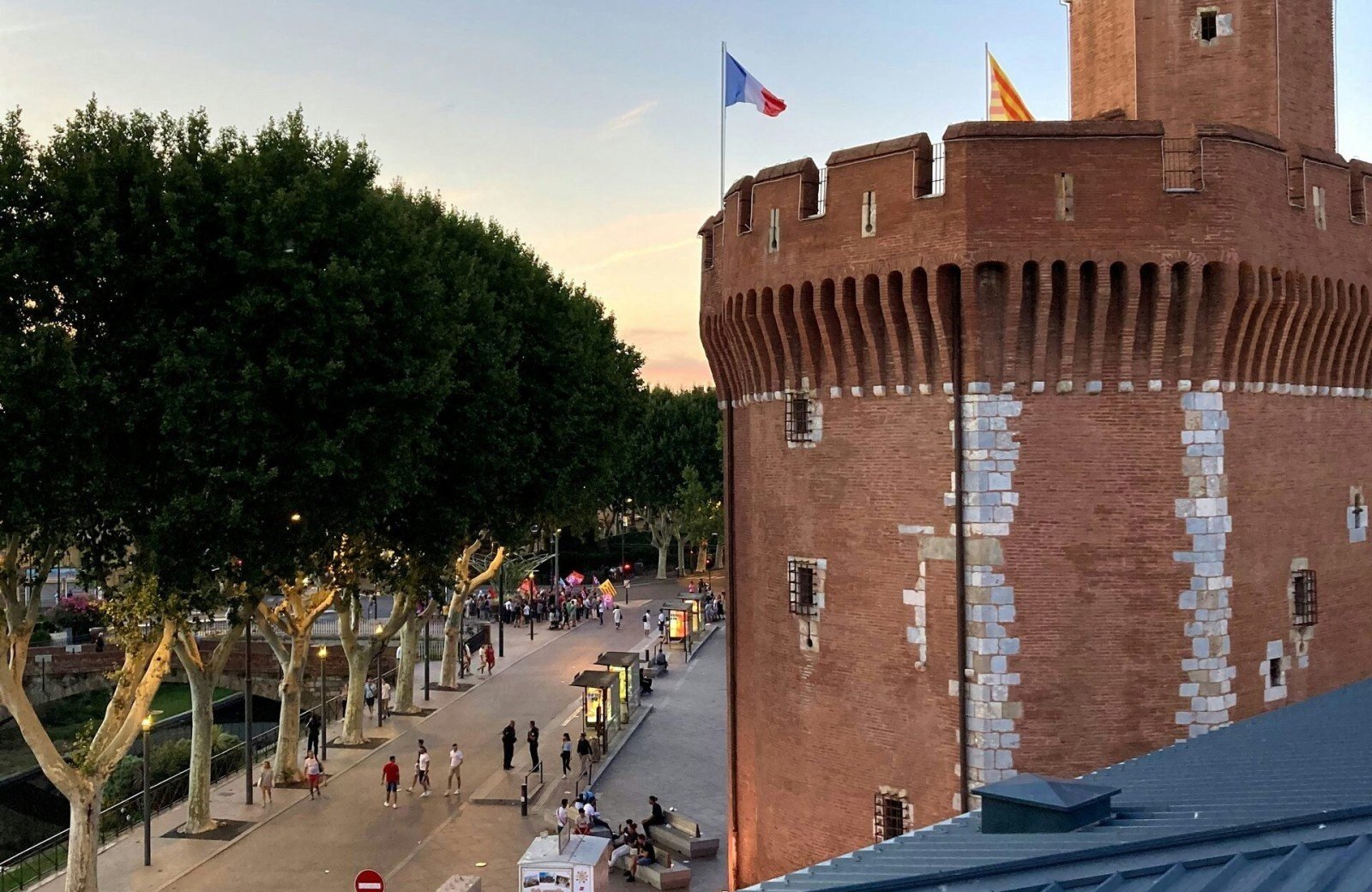
Perpignan is a unique city with a mix of French and Catalan influences. The city has a fascinating history and culture with some Mediterranean flair here and there. The centrepiece is Palais des Rois de Majorque, a mighty palace built in the 13th century.
Around the palace you will find charming narrow streets, cosy markets, squares and historic buildings. One example is the Cathédrale Saint-Jean-Baptiste with its imposing paintings inside. For art and culture, visit the Hyacinthe Rigaud Museum and for a bite to eat, try local dishes derived from Spanish cuisine.
11. The port city of Sète
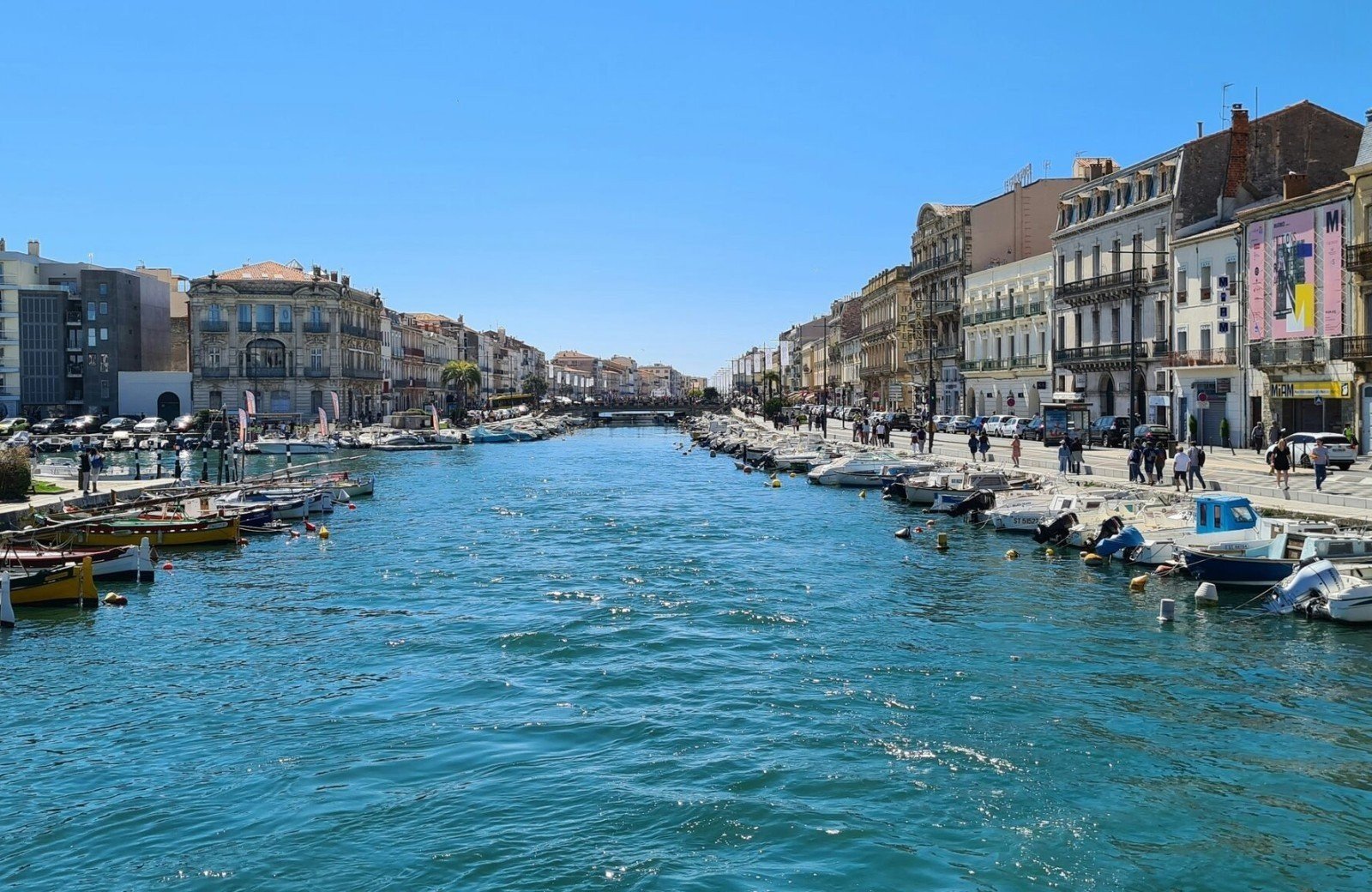
The charming port city of Sète is also called the Venice of France, due to its many canals, bridges, quays and colourful boats and houses. The port is the heart of the city, where you can enjoy fresh seafood in the restaurants. Try the famous Tielle Sétoise, a savoury tart with squid and tomato. You can also sample various delicacies at the fish market, such as the region's oysters.
The Théâtre de la Mer festival is an annual crowd favourite, but the traditional water jousting in summer is also a big 6-day event in Sète.
Sète is found at the foot of Mont Saint-Clair, a limestone mountain where you can find a chapel and a white stone cross, among other things. From the mountain you have a beautiful view of the Mediterranean and Sète's port.
12. Cathar village of Minerve
Minerve is considered one of the most beautiful villages in Languedoc-Roussillon. Located on a hill, the village is surrounded by spectacular gorges and unusual rock formations. Furthermore, Minerve has a rich history, mainly due to the Cathar wars of the 13th century. In 1210, the town was besieged in the battle between Cathars and Catholics. Eventually, the Cathars had to surrender.
Explore the old city walls, streets and ruins of the castle. You have a nice view of the green surroundings from the village. Good to know: Minerve is completely car-free, so you can walk through history in peace and quiet.

13. Mussels and oysters from the Étang de Thau
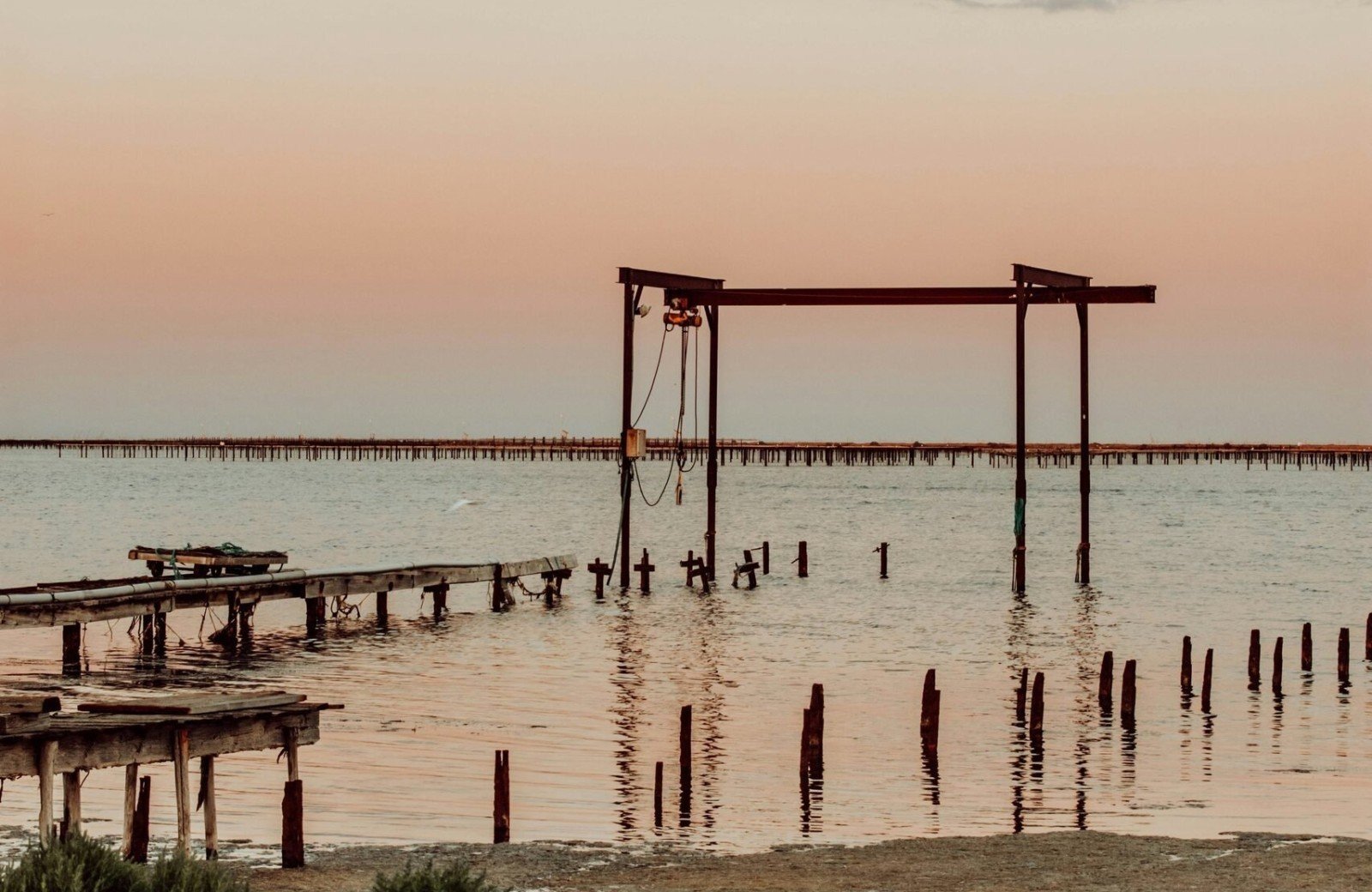
The Étang de Thau is the largest in Languedoc-Roussillon. The lagoon is famous for its oysters and mussels, which are eaten throughout the region. Bouzigues oysters from the lagoon are farmed in a special way, namely hanging from ropes in the water. In the surrounding fishing villages such as Bouzigues, Mèze and Marseillan, you can taste this delicious delicacy.
A 1 km stretch of sand called Lido, separates the lagoon from the Mediterranean. You can enjoy cycling around the lagoon, past vineyards and sandy beaches, but you can also be active on the water with various water sports.
14. Wine and hiking Pic Saint-Loup
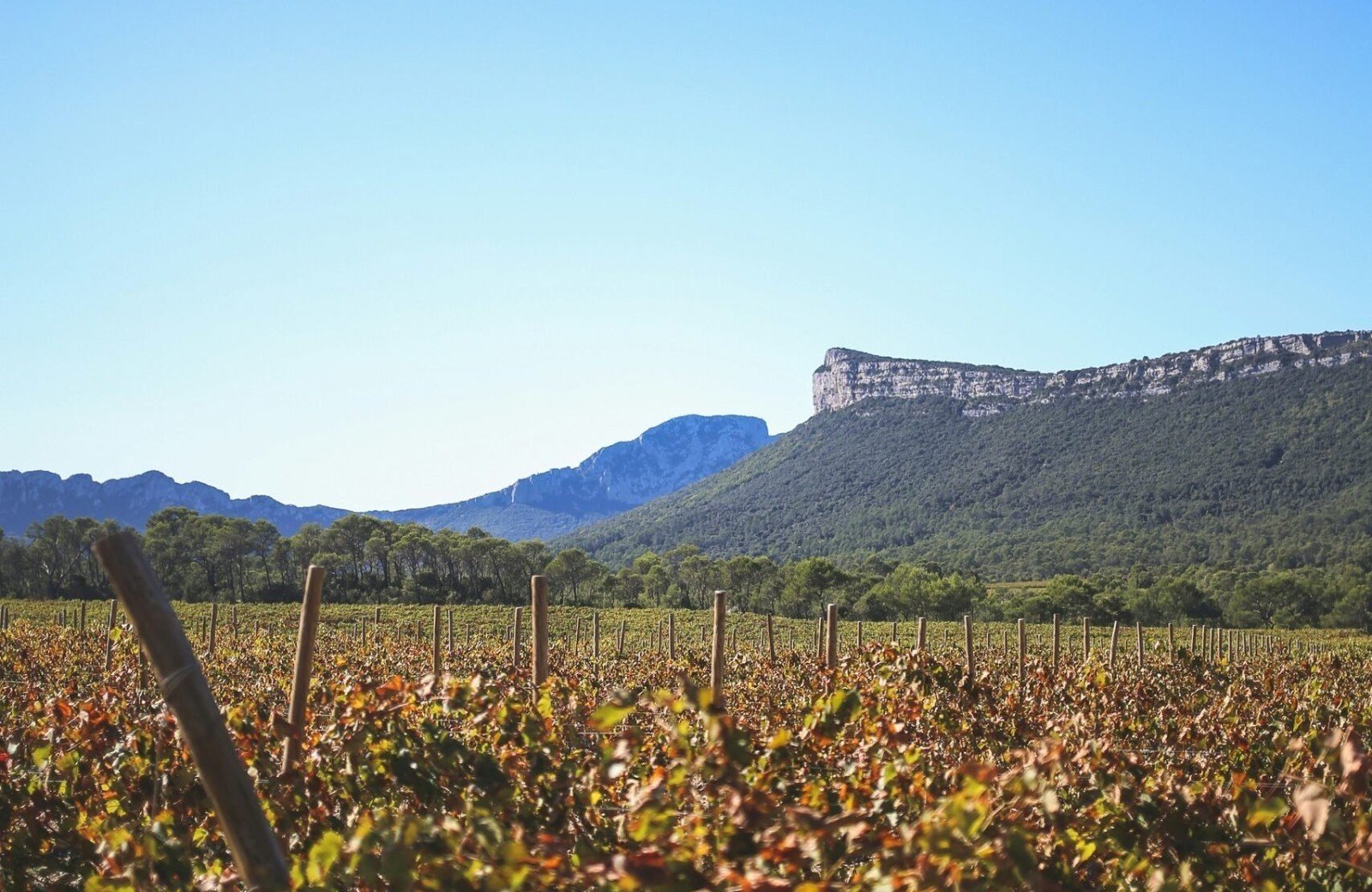
Mount Pic Saint-Loup is a popular spot for hikers, wine and nature lovers. A popular activity among holidaymakers is the hike to the 658-metre summit of the mountain. Once at the top, you have breathtaking views of the Mediterranean, the Cévennes and, if you are lucky, even the Pyrenees.
Besides the route and the beautiful views from the top, the region where the Pic Saint-Loup is located is known for its delicious wines. There are many vineyards where you can do a wine tasting. Delicious after a day of exertion on the mountain!
15. Versatile Montpellier
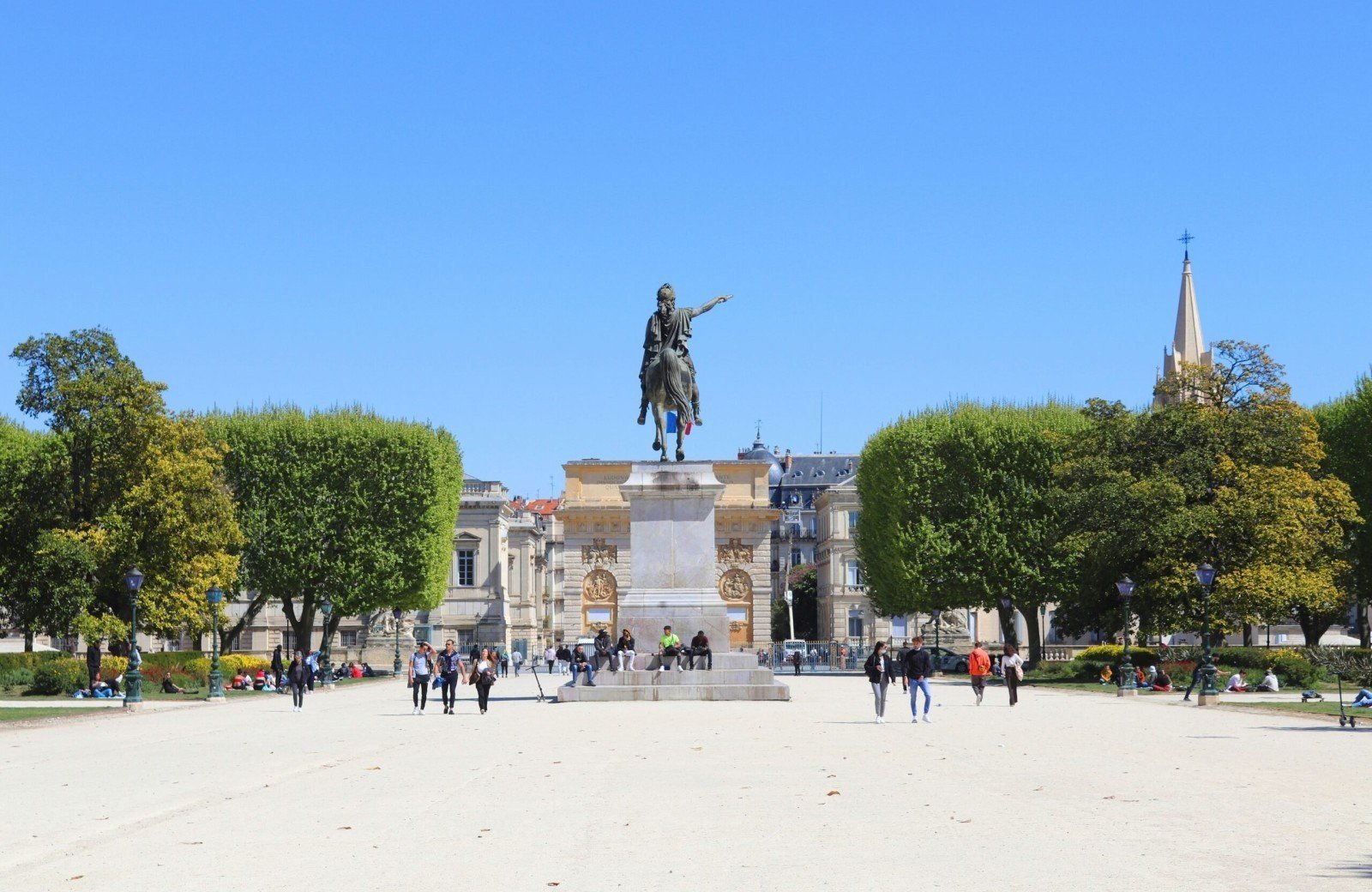
A true student city, the large and elegant city of Montpellier is known for its rich history and young, fresh atmosphere. Discover the lively Place de la Comédie, bustling with shops, cafés and terraces. It is also home to the beautiful opera house, where performances are still regularly held.
Dive into the Middle Ages - and stroll through narrow and winding streets. The Écusson district has many historical gems. Don't miss a visit to the elegant Promenade du Peyrou park and the impressive Cathédrale Saint-Pierre cathedral.
Curious about the ancient history, coastline and cuisine of this southern region? Book your holiday home in sunny Languedoc-Roussillon today.