


4 February 2025
10x Dordogne favorites
A visit to the Dordogne guarantees historical discoveries and beautiful vistas. From medieval villages and castles to prehistoric paintings and rolling valleys. Not to mention the rivers that meander through the green landscape and rocky outcrops. You'll feast your eyes. Wondering what there is to do along the banks of the Dordogne? Read on and discover all our favourites.
1. The religious pilgrimage village of Rocamadour
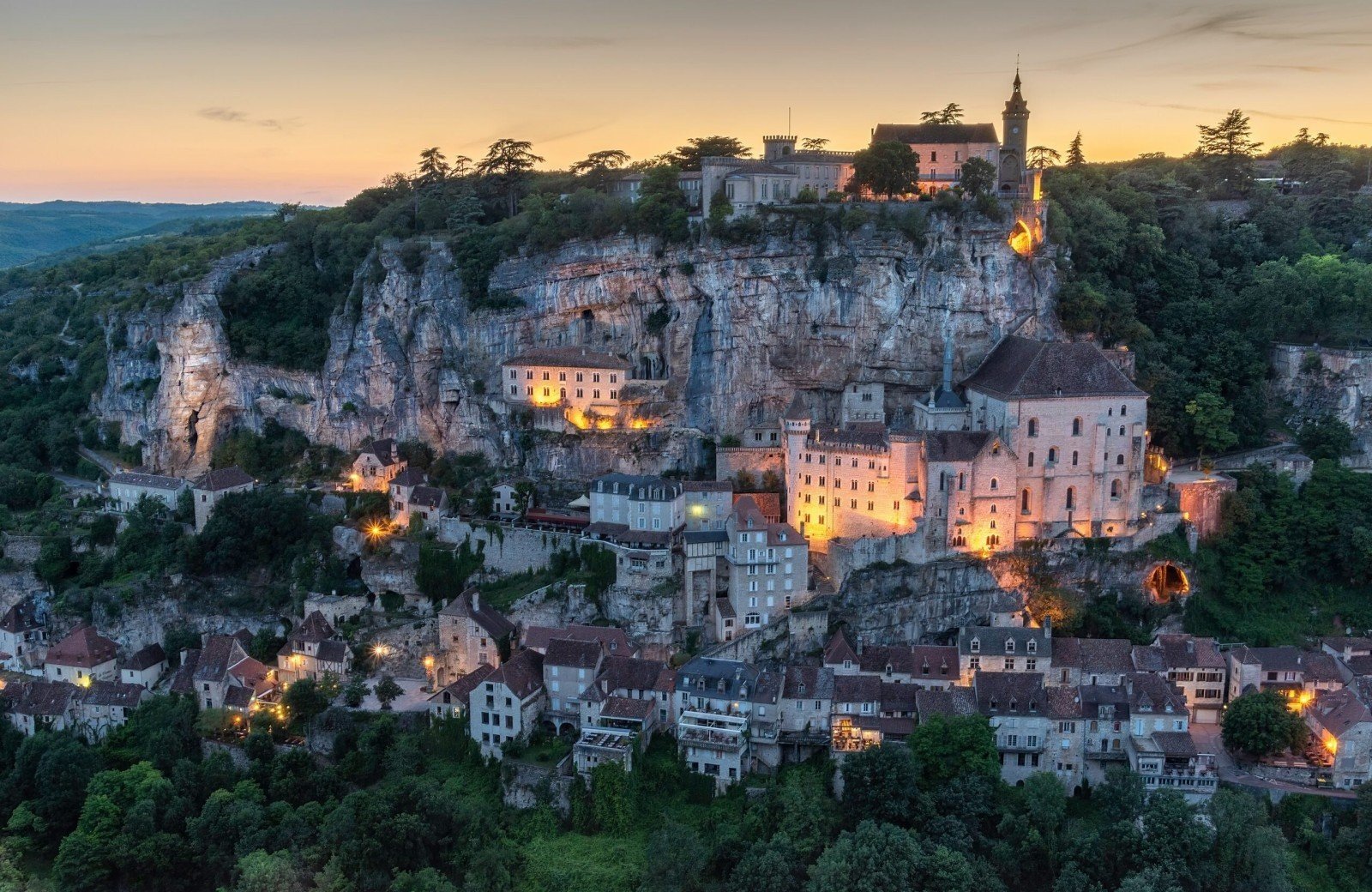
Set against the steep cliffs and rocks of the Dordogne Valley, you will find the spiritual pilgrimage village of Rocamadour. Since early medieval times, many visitors have flocked to the village for its religious and rich history. The Sanctuaires de Rocamadour is a collective name for sacred chapels and churches in the town, with the Chapelle Notre-Dame and the Black Madonna as famous shrines.
You reach the village via the impressive Grand Escalier, this staircase pilgrims used to climb on their knees. In the village and at the highest point, at Château de Rocamadour castle, you have fantastic views over the valley. Stroll through the village's history or enjoy the famous Rocamadour goat cheese, a true delicacy.
2. Rock paintings in the Lascaux caves
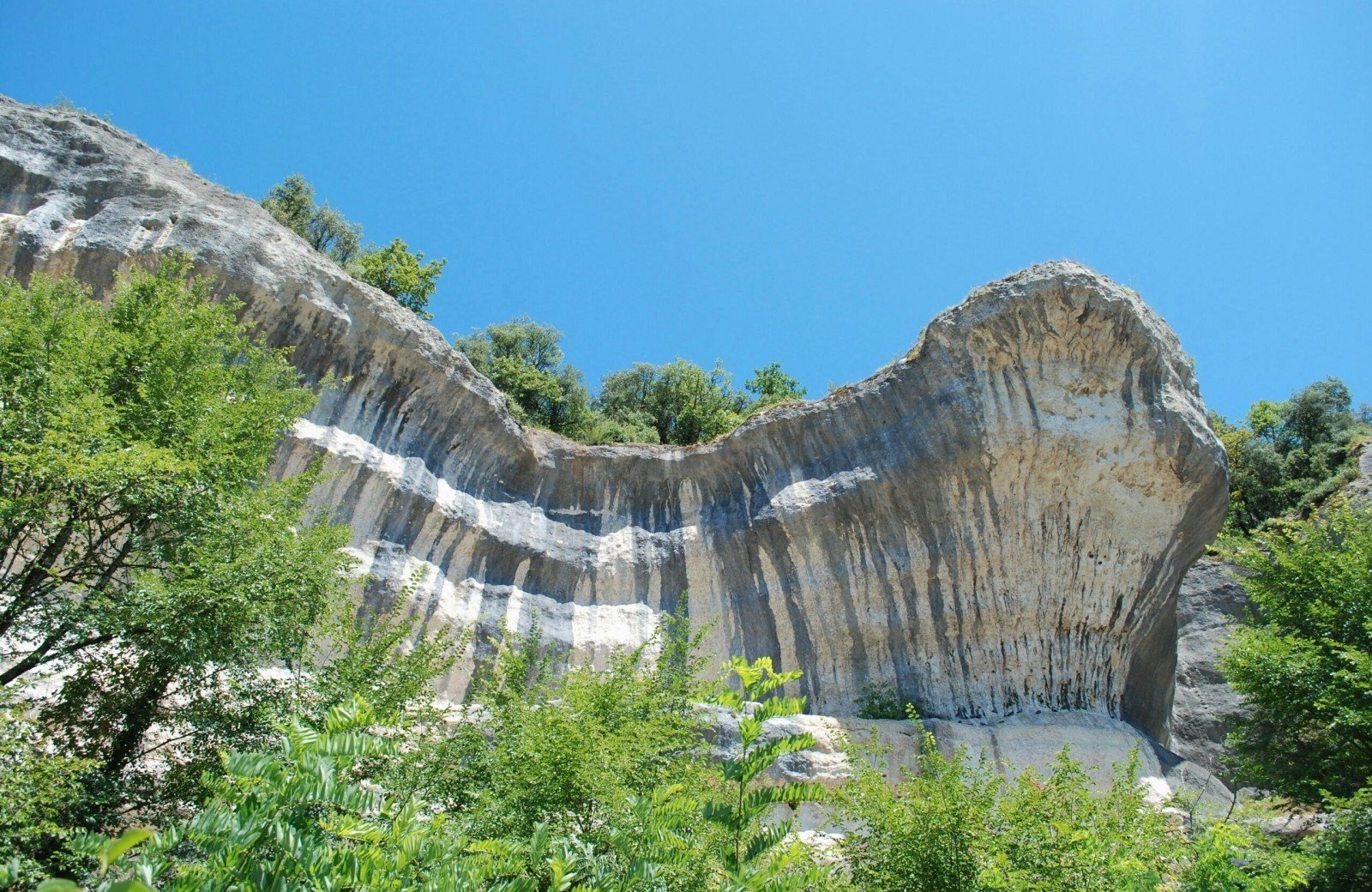
The town of Les Eyzies-de-Tayac-Sireuil is also considered the capital of prehistory, due to its fascinating archaeological caves. In the Lascaux caves, archaeologists found prehistoric petroglyphs of oxen, deer, bison and horses, dating back more like 17,000 years. The drawings are one of the most impressive in the world, due to the precision and vividness of the artworks.
To best preserve the drawings, the original cave is not open to the public, but exact replicas have been opened called Lascaux II. Thanks to the latest techniques, the drawings are almost indistinguishable from the real thing.
3. The golden houses of Sarlat
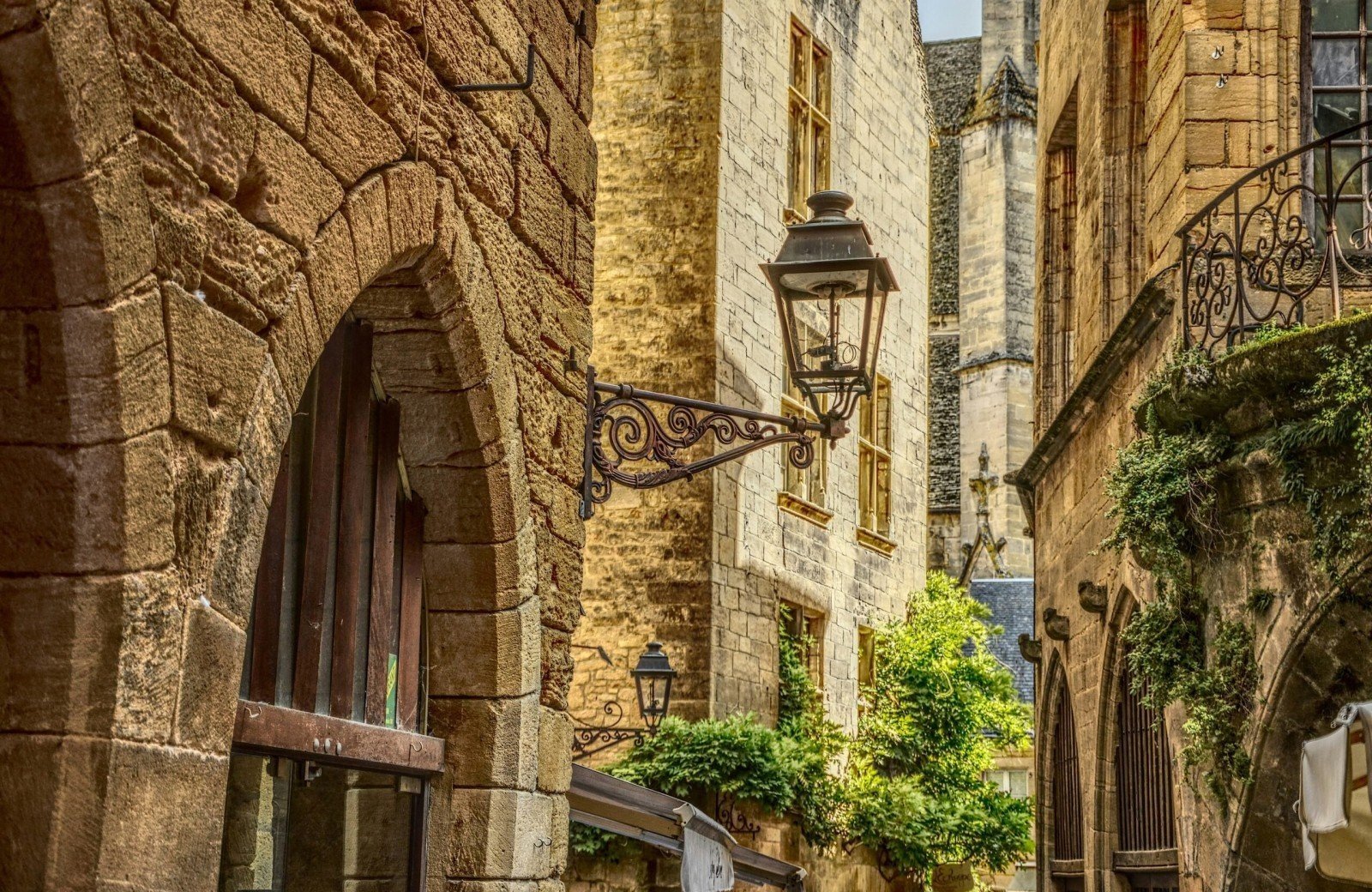
Sarlat is a charming town in the Dordogne, restored and revived in the 1960s. Sarlat is characterised by its more than 250 characteristic and golden yellow houses that take you way back in time.
The main street, Rue de la République, has plenty of cosy terraces and markets, and a relaxed atmosphere. Sarlat is also a walhalla for foodies, with specialities like truffles and foie gras. Don't forget to take a look at Saint-Sacerdos Cathedral, a masterpiece of Gothic architecture.
4. The castles of Castelnaud and Beynac
Château de Castelnaud and Château de Beynac are two impressive castles in Dordogne, and are perched high above the Dordogne River of the same name. During the Hundred Years' War, there were daily battles and sieges between the castles and their different interests. In this, Castelnaud castle was in the hands of the English, and Beynec in the hands of the French.
Today, history is still visible in the castles, with collections and weapons from the past. Besides the fascinating history in these places, your visit will also give you stunning views of the surrounding area.

5. Domme’s bastide
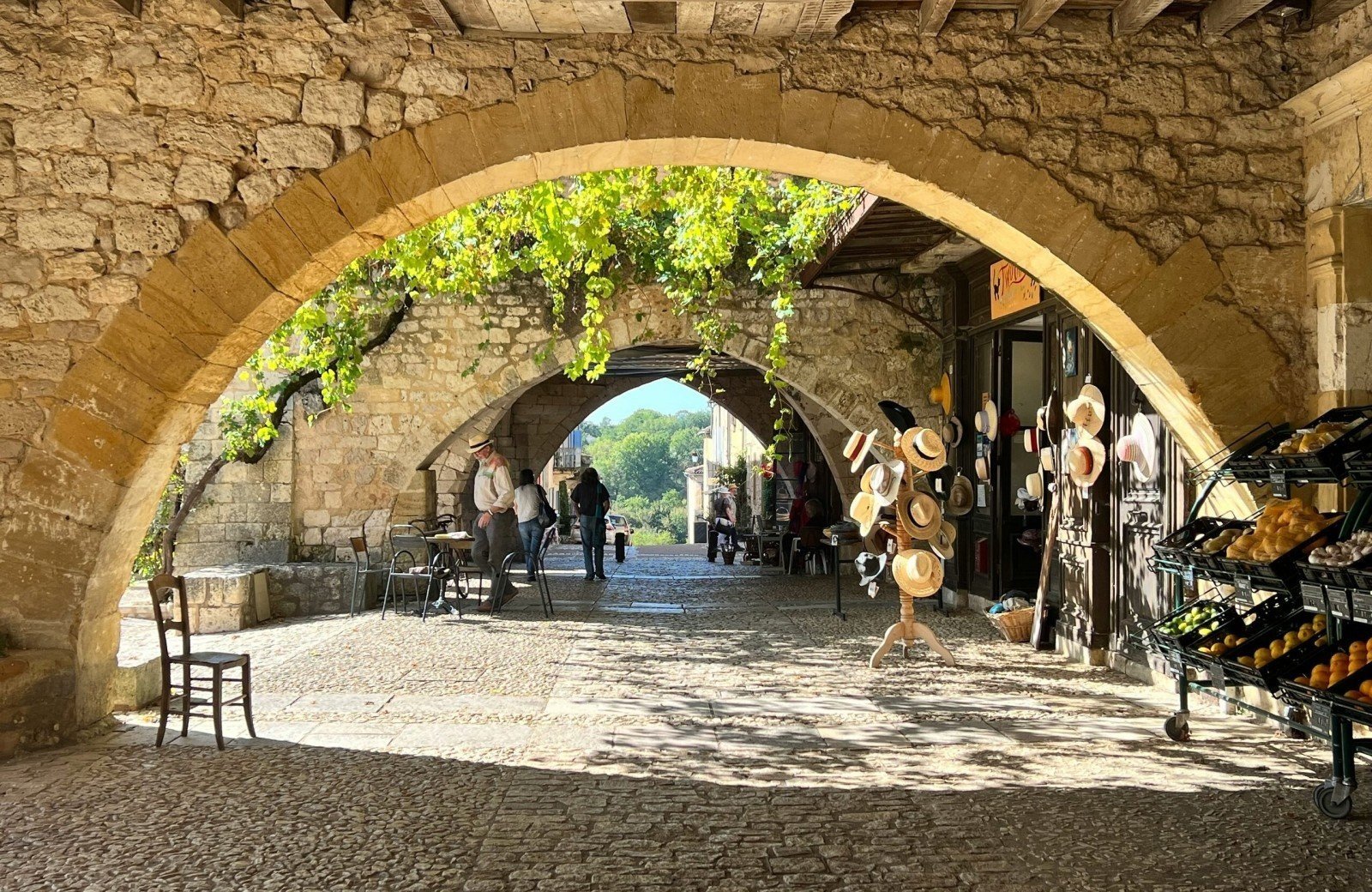
The Dordogne is known for its fortified towns, also called bastides. Bastides were built to accommodate the large population growth and are known for each being built in the same way. For instance, the market square is the central point, the church is there and the streets are dead straight.
One of the most beautiful bastides is that of Domme, a charming village in the Dordogne valley. Built in the 13th century, the village is well intact. There are fantastic views of the surrounding countryside from its walls. The historic market square offers cosy terraces and souvenir shops. This makes Domme a great day out.
6. The gardens of Marqueyssac
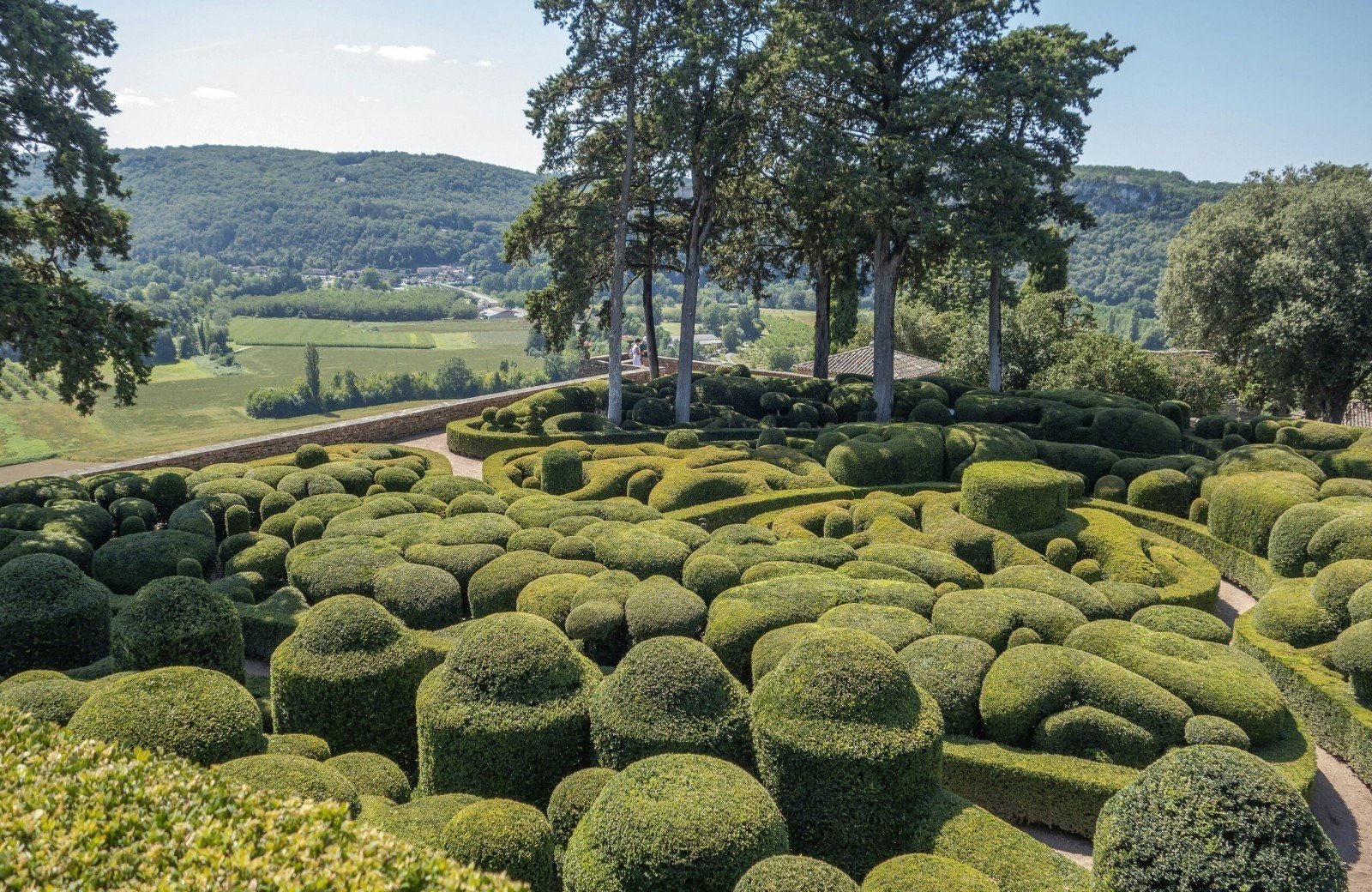
Strolling through the gardens of Marqueyssac is like walking through a fairy tale. The gardens are set around a 17th-century castle, making the experience magical.
Wander through the green labyrinth with various paths and vantage points, discovering the carefully trimmed boxwood hedges and surrounding landscapes of the Dordogne. In the evening, this place becomes extra special, when the lights come on and you walk through the gardens at dusk.
7. The tunnels of the Gouffre de Padirac
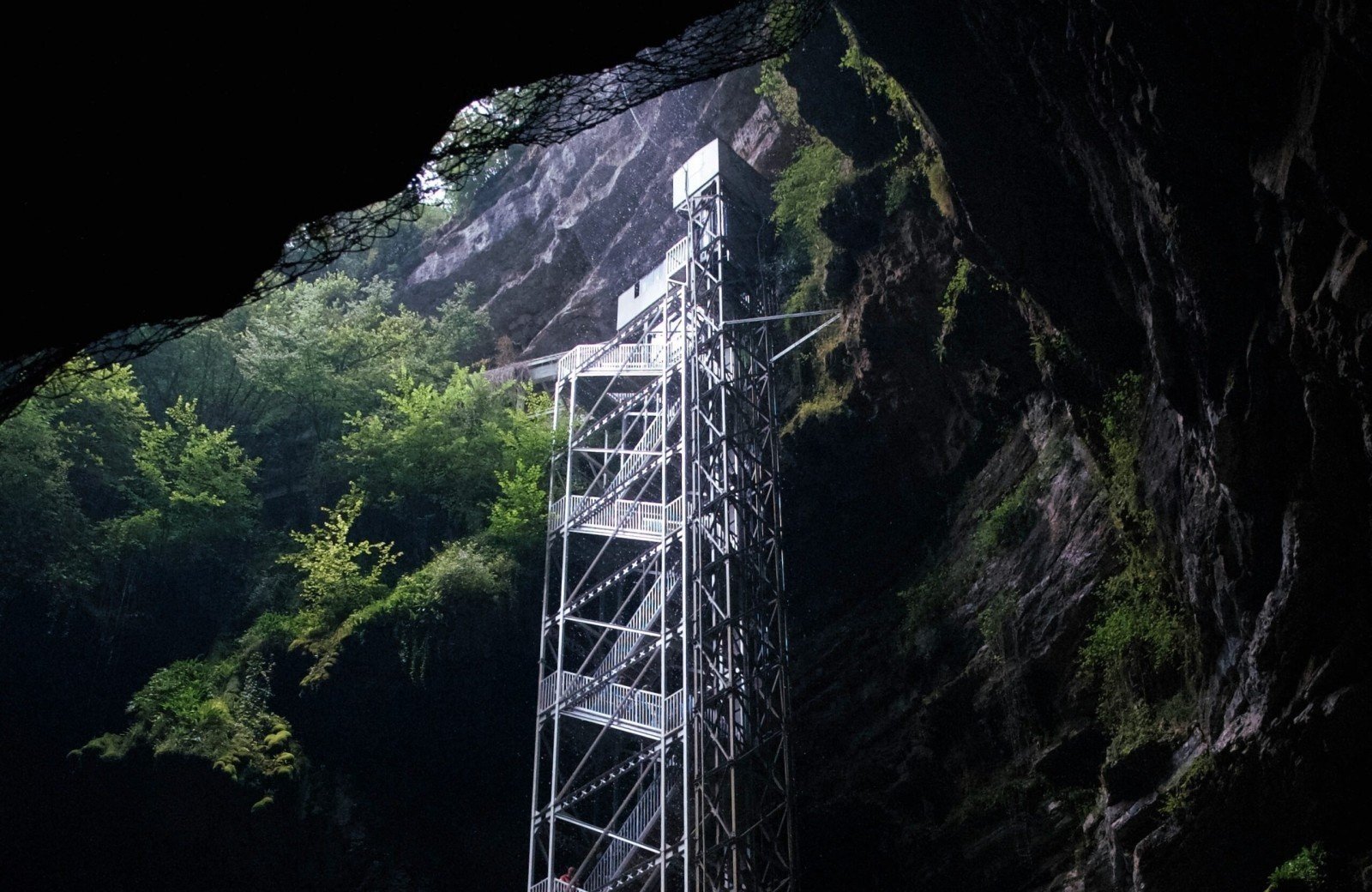
The Gouffre de Padirac is a spectacular underground gorge in the Dordogne region with crystal-clear water and diverse corridors. You can reach the cave through a giant hole in the ground where you descend more than 40 metres to the bottom.
Once inside the cave, you emerge at an underground river where you can travel through the caves in a guided boat and admire the impressive chambers and stalactites. One of the most extraordinary rooms is the Salle du Grand Dôme, with a 94-metre-high ceiling. A visit to the Gouffre de Padirac is impressive, and for the truly adventurous.
8. La Roque-Gageac and the Dordogne river
La Roque-Gageac is a place that could be on the front of a postcard of the Dordogne. This picturesque village along the Dordogne river is built against a steep cliff with carved rocks. The village has narrow and friendly streets and charming historical buildings.
You can kayak or canoe on the Dordogne River that runs through the village. You can hire a kayak or canoe to explore the other towns and villages along the river. Along the way, you will encounter spectacular castles and views, and - while paddling - you can discover the region at your own pace.

9. Roman history in Périgueux
Périgueux, also called the historical capital of Périgord, has a rich Roman history. The city is known for its medieval streets and cosy squares where you can step back in time. You can also sample Périgueux's different flavours and dishes, such as its many walnut products.
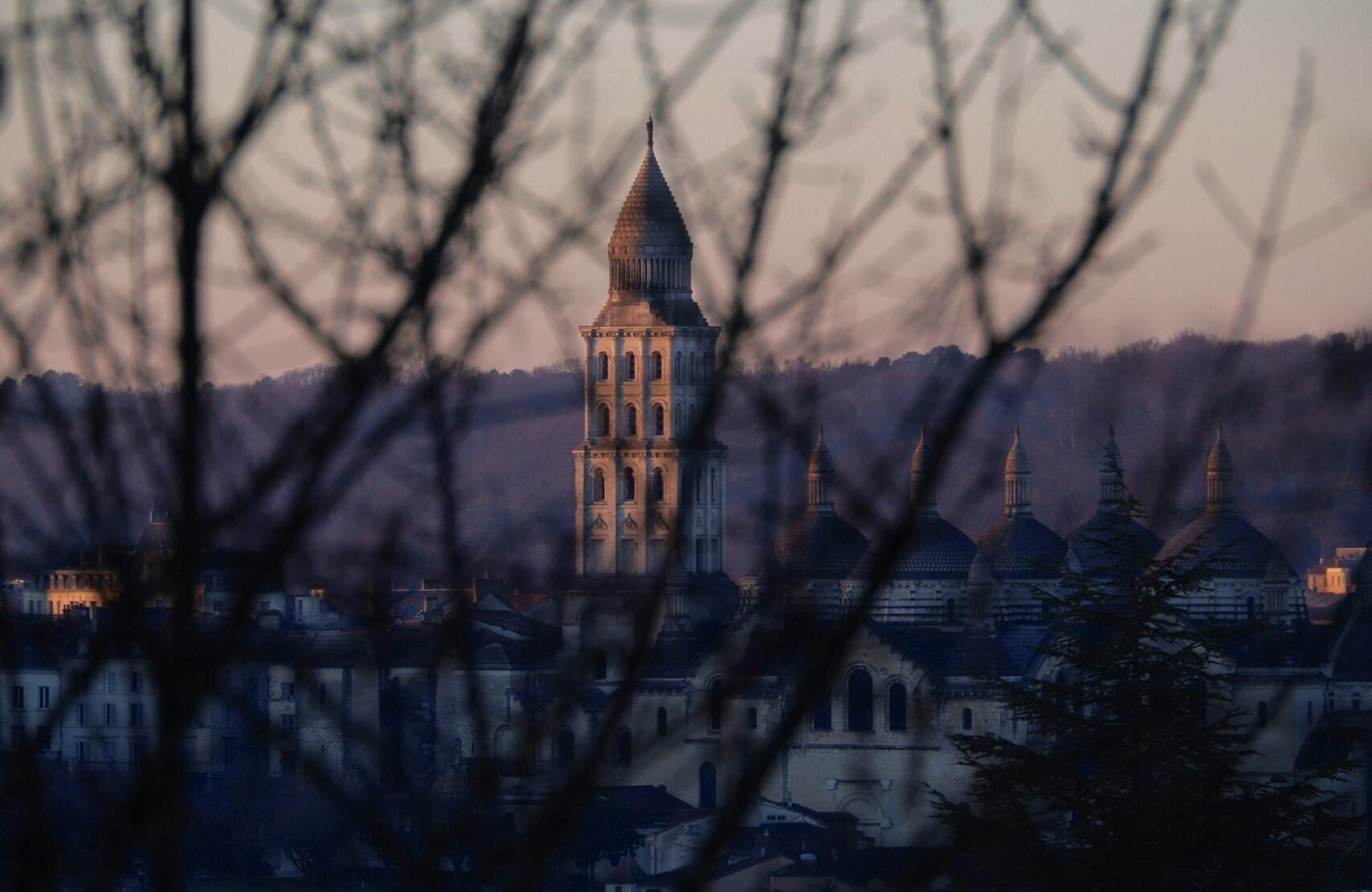
The centrepiece of the city is the imposing Saint-Front cathedral, notable for its several Romanesque domes and its tall bell tower. Dive further into history at the Vesunna museum, where you will find remains from Gallo-Roman times. Périgueux is a fine mix of history, gastronomy and culture.
10. Art, history and wine in Bergerac
Located on the banks of the Dordogne River, you will find the charming city of Bergerac. Bergerac is considered the city of art, history and, last but not least, delicious wine. In the old town you will find atmospheric streets and squares, surrounded by typical houses made half of stone and half of wood.
At the famous Place Pélissière, you will meet the legendary statue Cyrano de Bergerac and have a bite to eat and a drink. For wine, Bergerac is the place to be. Indeed, wine lovers can taste different flavours in several wineries and vineyards. Explore Bergerac on foot or hop on a boat to admire the vineyards and city life from a distance.
Curious about the charming villages and impressive history of this region? Book your holiday home in Dordogne today.
